The idea Kamernet rejected - and HousingAnywhere shipped a year later

Kamernet
Kamernet is the Netherlands' largest rental housing platform: 18 million visits a year, with around 200,000 internationals starting their housing search on it annually.
Headquarters
Rijswijk, NL
Services
- UX / UI Design
- UX writing
- Web app design
- Video animations
- Research
Industry
Housing
The challenge
My internship research had three goals:
- Onboard internationals with the right info at the right moment
- Make safe behaviour the default
- Get universities, internationals' #1 info source, to recommend Kamernet
Solution
One idea rose above the rest: a university partnership programme - Kamernet housing reserved per university, shown as verified listings only, backed by our room guarantee.
Universities leaned in and users scored it highly - but the business wasn't ready. Years later, our acquirer HousingAnywhere shipped the same idea.
What follows is a story full of stakeholder research, projects being rejected and then brought back to life.


Three design rounds, scored by users
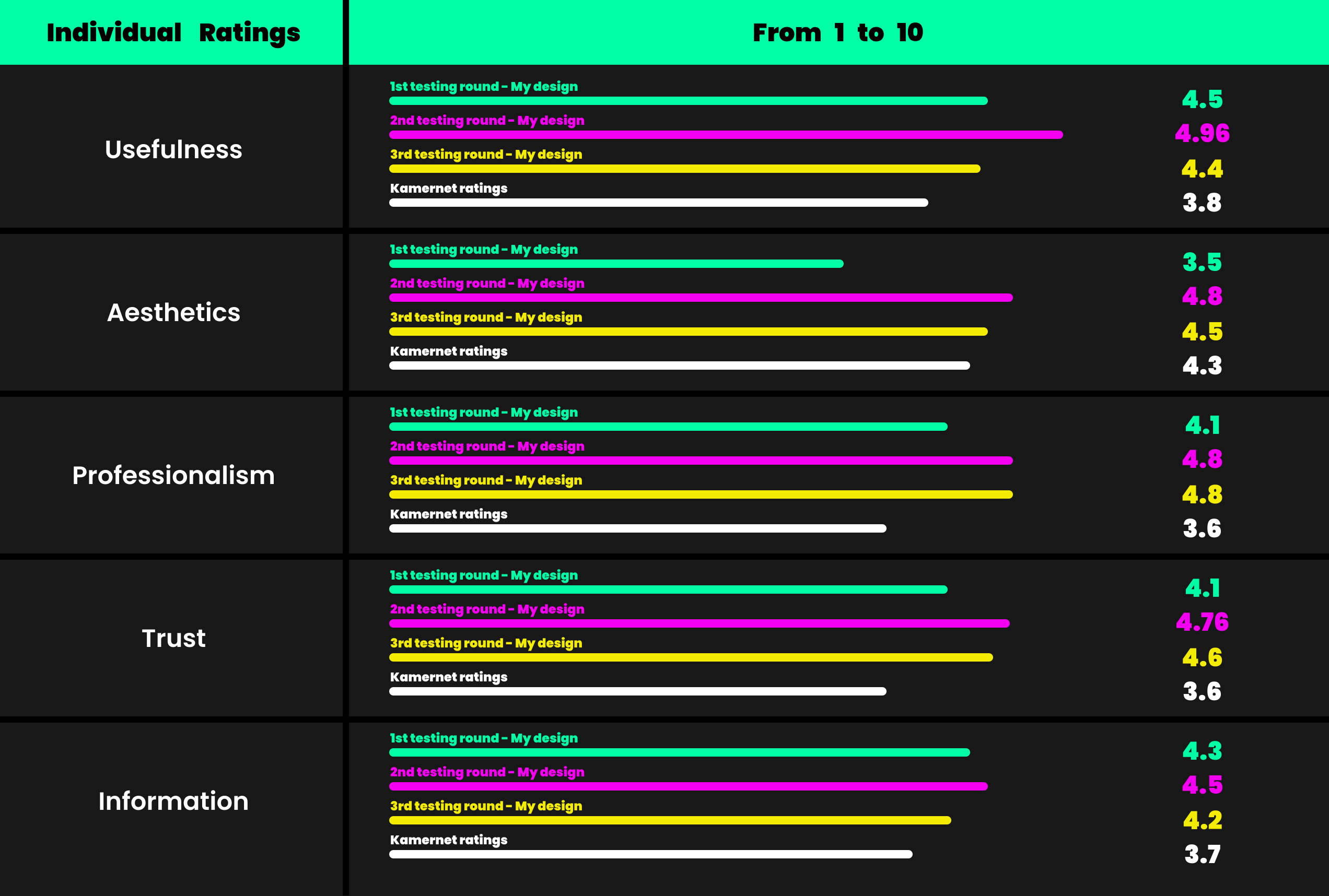
Every concept looped through prototype, team review and 3 rounds of user testing, scored with a Harris Profile on aesthetics, trust, professionalism, information and usefulness. My designs beat the live site's 3.8 every round - 4.1, 4.76, then 4.5 for the final redesign, 30 users in total. Concepts tested: personalised articles, a safety chatbot and a university landing page.
Why universities didn't recommend Kamernet
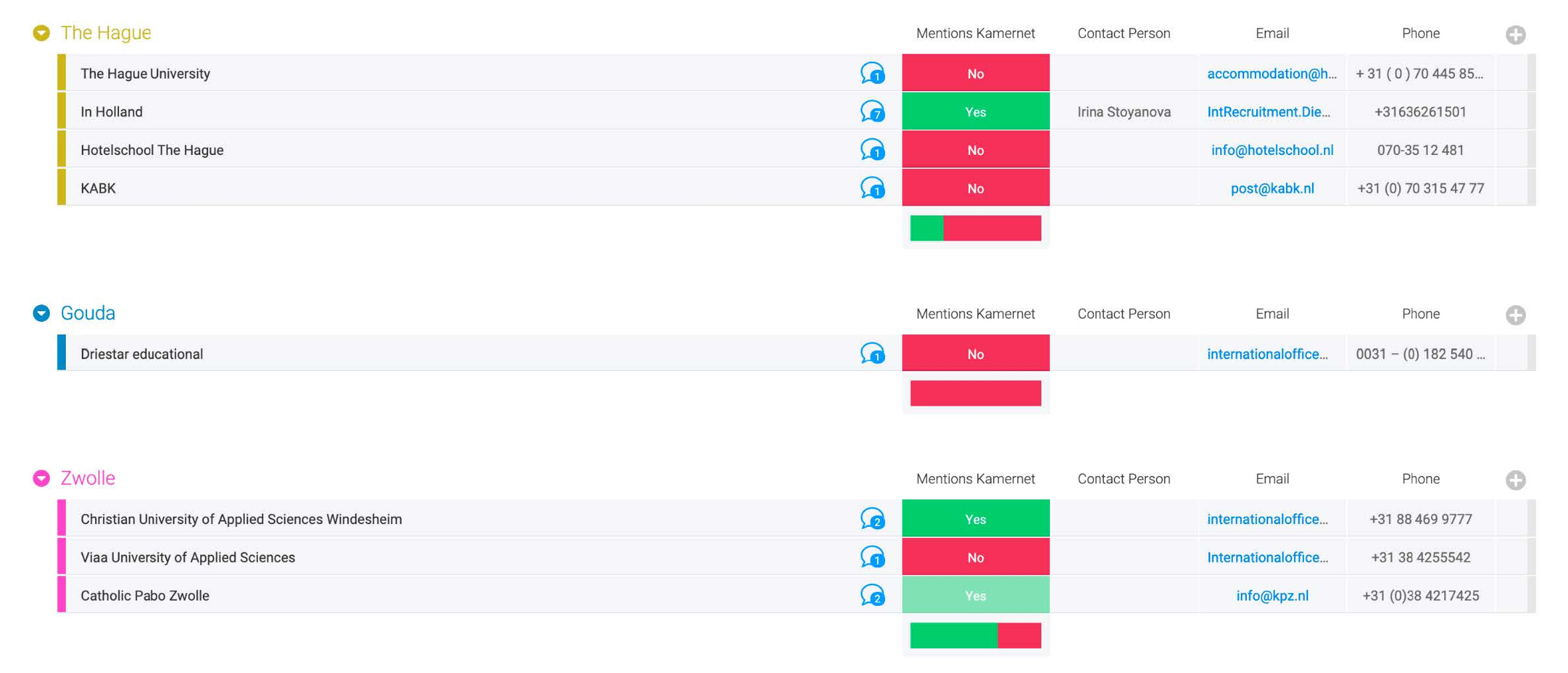
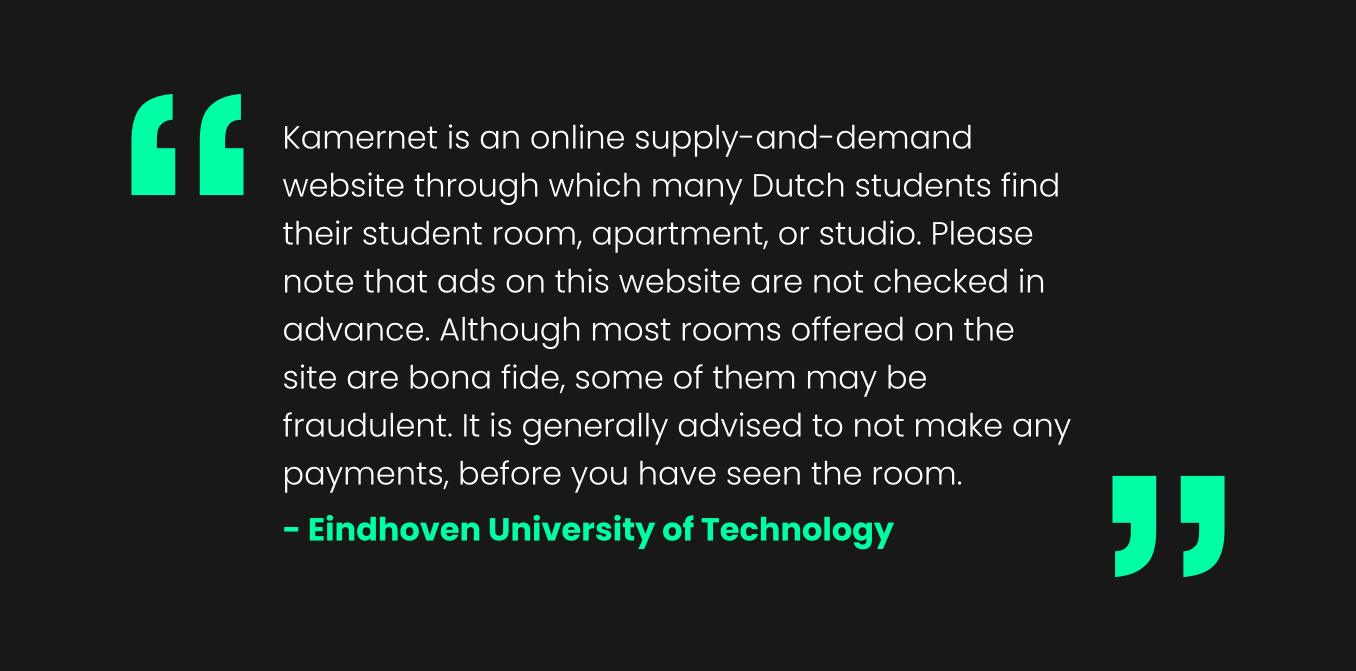
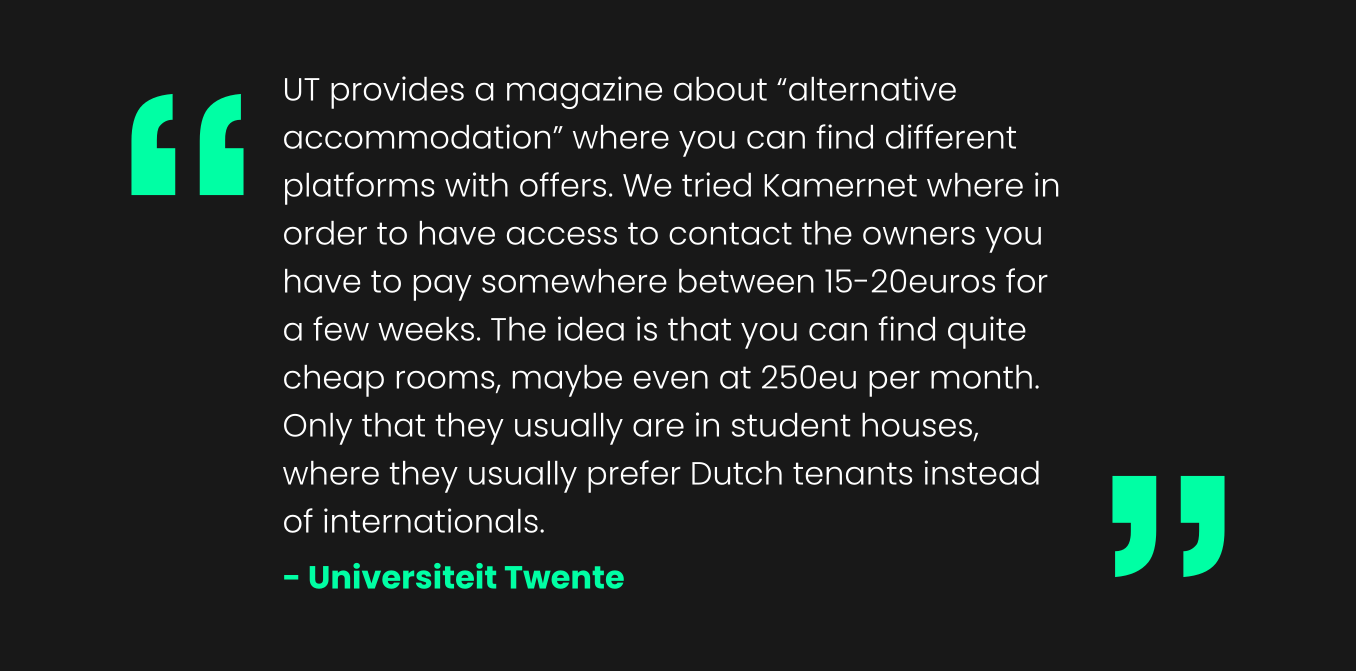
University websites are the #1 source of housing info for international students - so I audited every Dutch university site. Many didn't mention Kamernet at all; some warned against it.
Their representatives told me why: they didn't know our safety measures existed, and they wanted reserved housing for their students - which competitors offered, charging students €400-700 on top.
The reserved-housing idea universities wanted
So I designed what universities asked for: a university page with only verified, screened listings and rooms reservable per university - pitched alongside Kamernet's room guarantee and 6,000+ monthly listings.
Users tested it well. Universities leaned in. But Kamernet, a small startup then, wouldn't let landlords reserve rooms for a single university - competitors did. The deals fell through and the feature was shelved, so I pivoted to a safety page answering their fraud concerns instead.

The idea that outlived the internship
Sometimes a rejected idea is just early: Kamernet was later acquired by HousingAnywhere - who, with my research, went on to launch exactly this, reserving student housing for Erasmus University Rotterdam. My idea, shipped under new leadership. See it live:
How do I know what internationals struggle with?
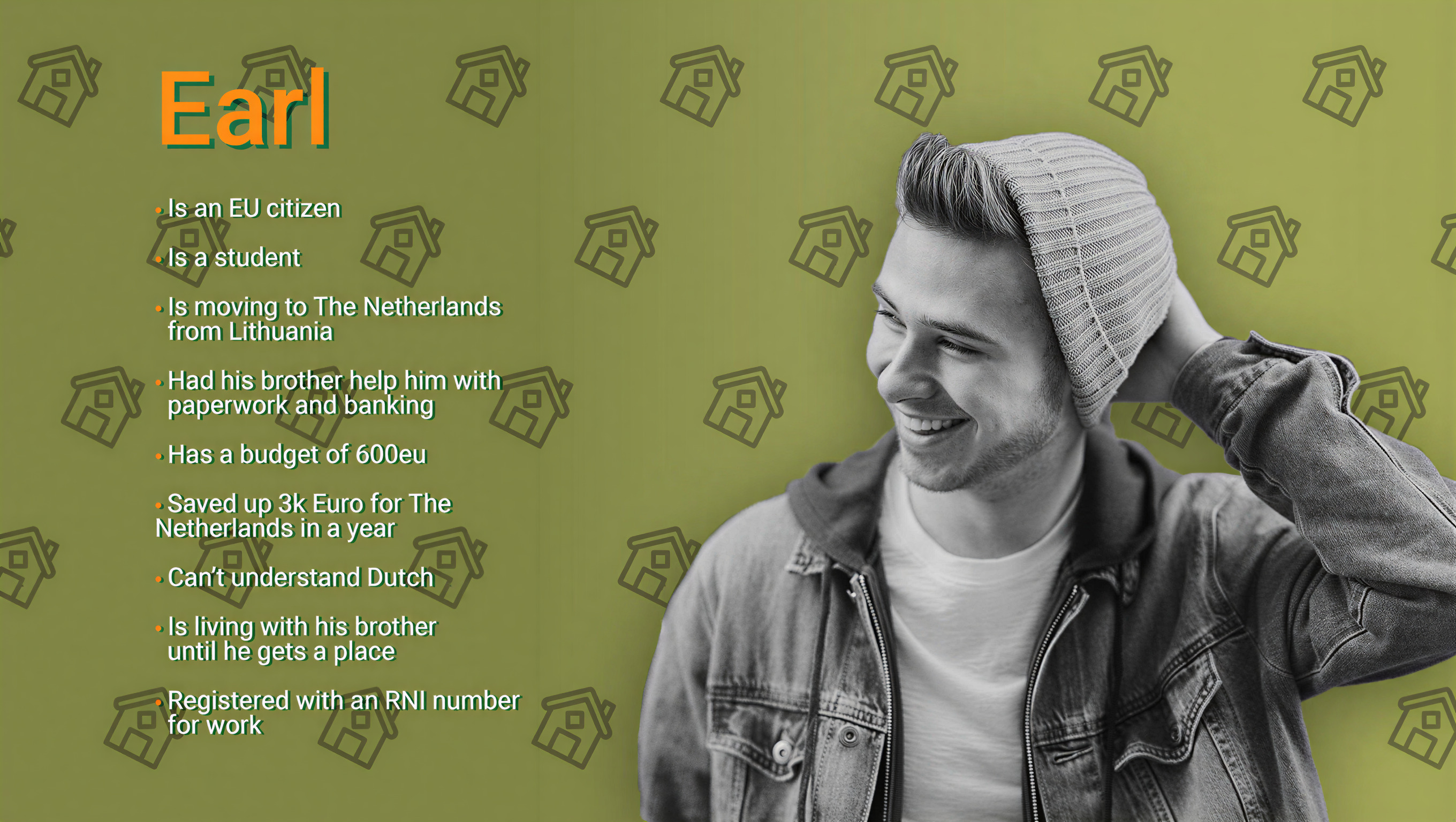
I interviewed international users, drew on my own move to the Netherlands, and ran a questionnaire that gathered 51 responses.
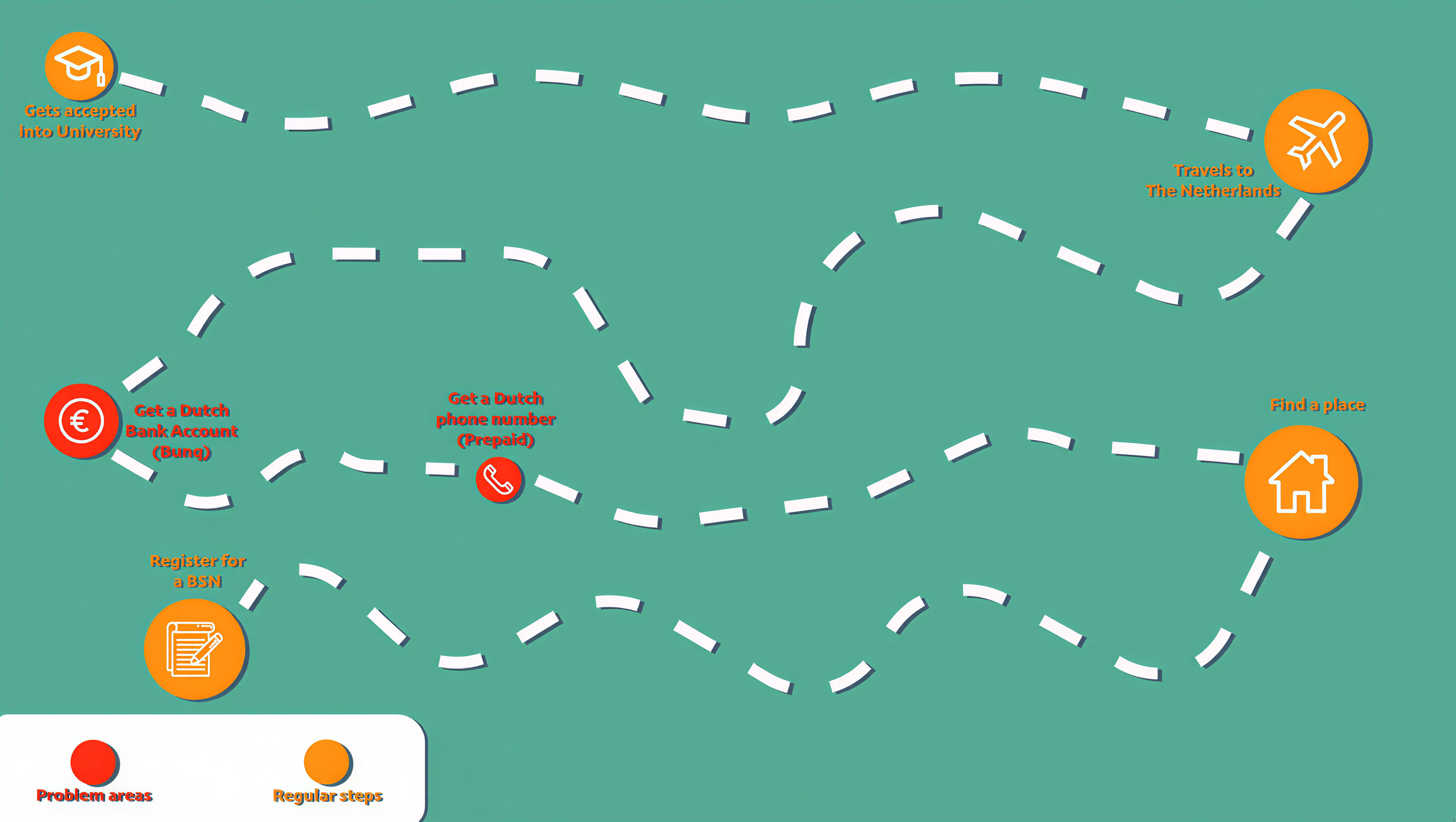
The numbers: Kamernet competes for the ~49% of internationals searching the private market, tied with Facebook groups at 26% - where the scams are. The interviews became personas and journey maps: registration is make-or-break, first-years want furnished only, and fresh arrivals are lost on paperwork.
I wanted to educate international users on these issues, but I couldn't develop a whole new user flow for this problem - so I educated the users through the content on the existing user flows of Kamernet: articles and videos.
Right idea, wrong medium
The big feature didn't ship - but the thinking behind it did. That was my biggest lesson as a designer: when an idea stalls, the idea isn't per se wrong - the medium your environment demands might be. So I translated each one into a medium the business could carry:
- “How It Works” Page Redesign: my feedback-button concept (born from users failing to find the current feedback button) became a safety video on Kamernet's most-visited "How it works" page - A/B-tested, with users staying longer and reading more info of the page, answering the most important questions there, reducing need for additional help.
- Safety Page: the trust building story students & universities were missing, clarifying how we keep users safe, now one click away in the site footer and our email newsletters.
- University Partnerships: the open discussion with Universities alone won better Kamernet mentions on their housing pages - and the reserved-housing idea itself shipped later at HousingAnywhere.
- Articles: my questionnaire concept became hand-written articles helping internationals with registration and banking - still live on kamernet.nl: