This is some text inside of a div block.
They call me a one-man design agency. I call myself a UX designer.
Lithuanian-born, based in The Hague. I've worn most hats a designer can wear — but research-driven UX is the craft I keep sharpening.

Lithuanian-born, based in The Hague. I've worn most hats a designer can wear — but research-driven UX is the craft I keep sharpening.
As a kid I made animated music videos out of my favourite series — my excuse to stay on the computer, and how I learned editing and Photoshop. When it was time to pick a degree, I followed that thread to the UX Design bachelor in The Hague: Figma, research, designing for emotion. I was hooked.
Six years in startups and agencies taught me to jump through every hoop offered: 2D animation in After Effects, video editing, brand content, product photography. In small teams, versatility gets rewarded — and it made me the designer clients describe as a one-man agency.
It also taught me respect for the crafts: hand-made character animation takes far longer than anyone believes. (Yes, even in the AI era — though I'm actively experimenting there too.)
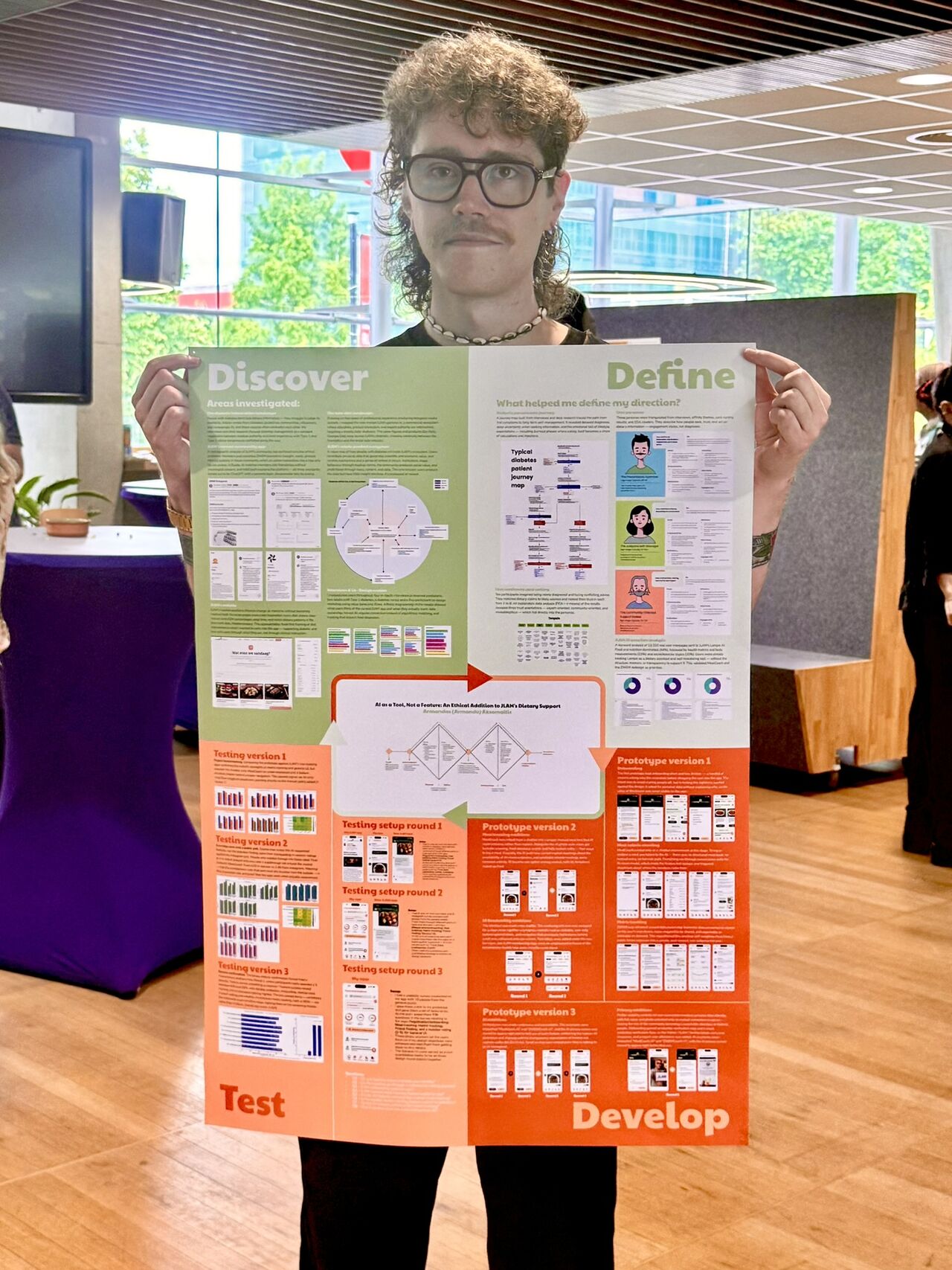
My MA Data-Driven Design is where the process got sharp. I learned Python to pull hard insights out of soft research — card sorts became data. I built Wizard-of-Oz prototypes powered by real AI agents: UI screens in front, local or cloud models doing the actual work behind them.
The secret nobody tells designers: once the API is wired up, you're mostly writing prompt logic in plain English. That skill led me to MCP connectors and Claude Code — and to shipping working agents, like the meal-analysis agent in my JLAM graduation project and the assistant on this site.
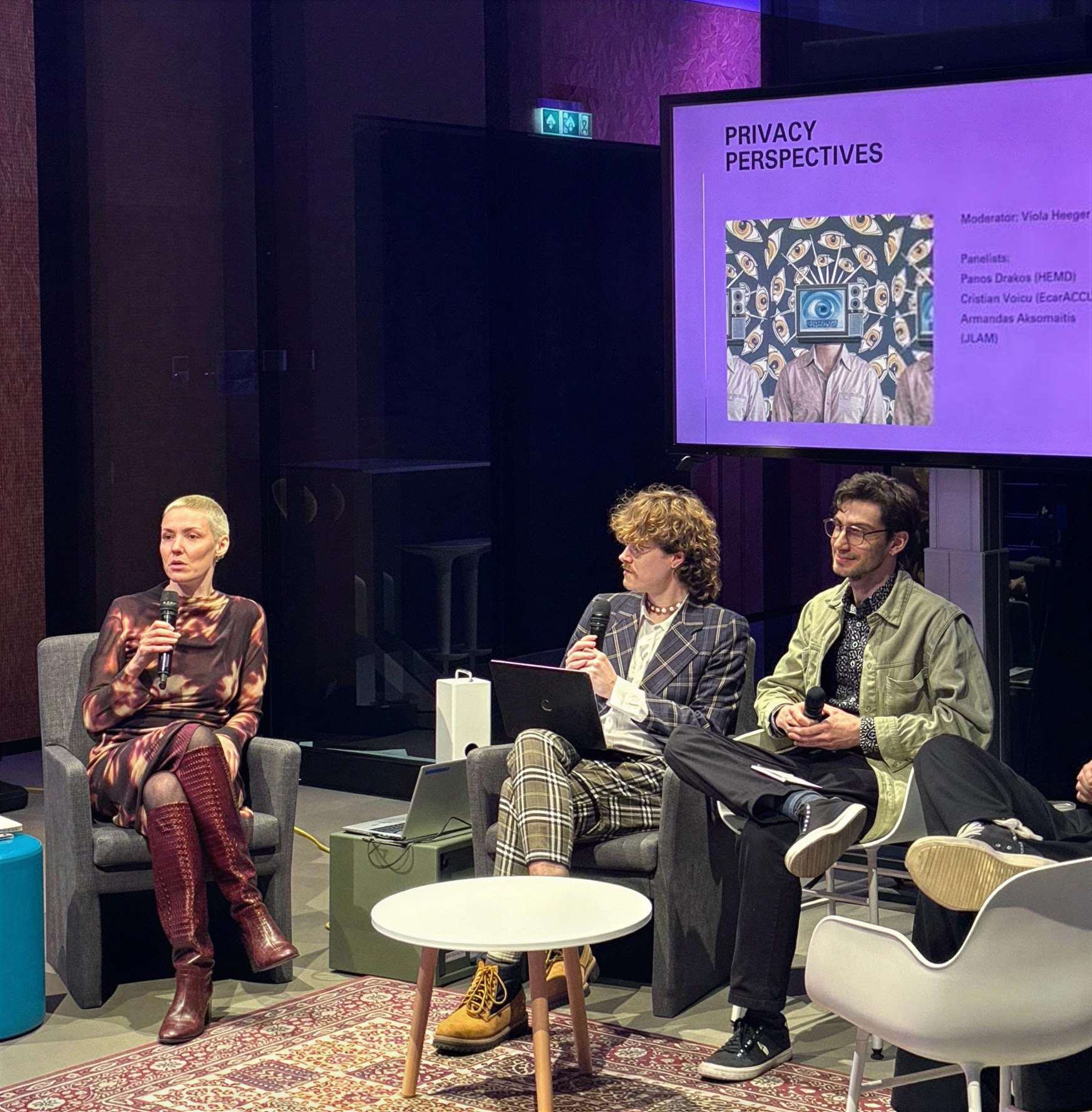
The master's also drilled the uncomfortable questions: where does data go, what gets saved, who gets hurt when it leaks. I took that on stage at our Privacy Perspectives panel — how digital products should handle data ethically. If you design for serious SaaS, this thinking isn't optional.
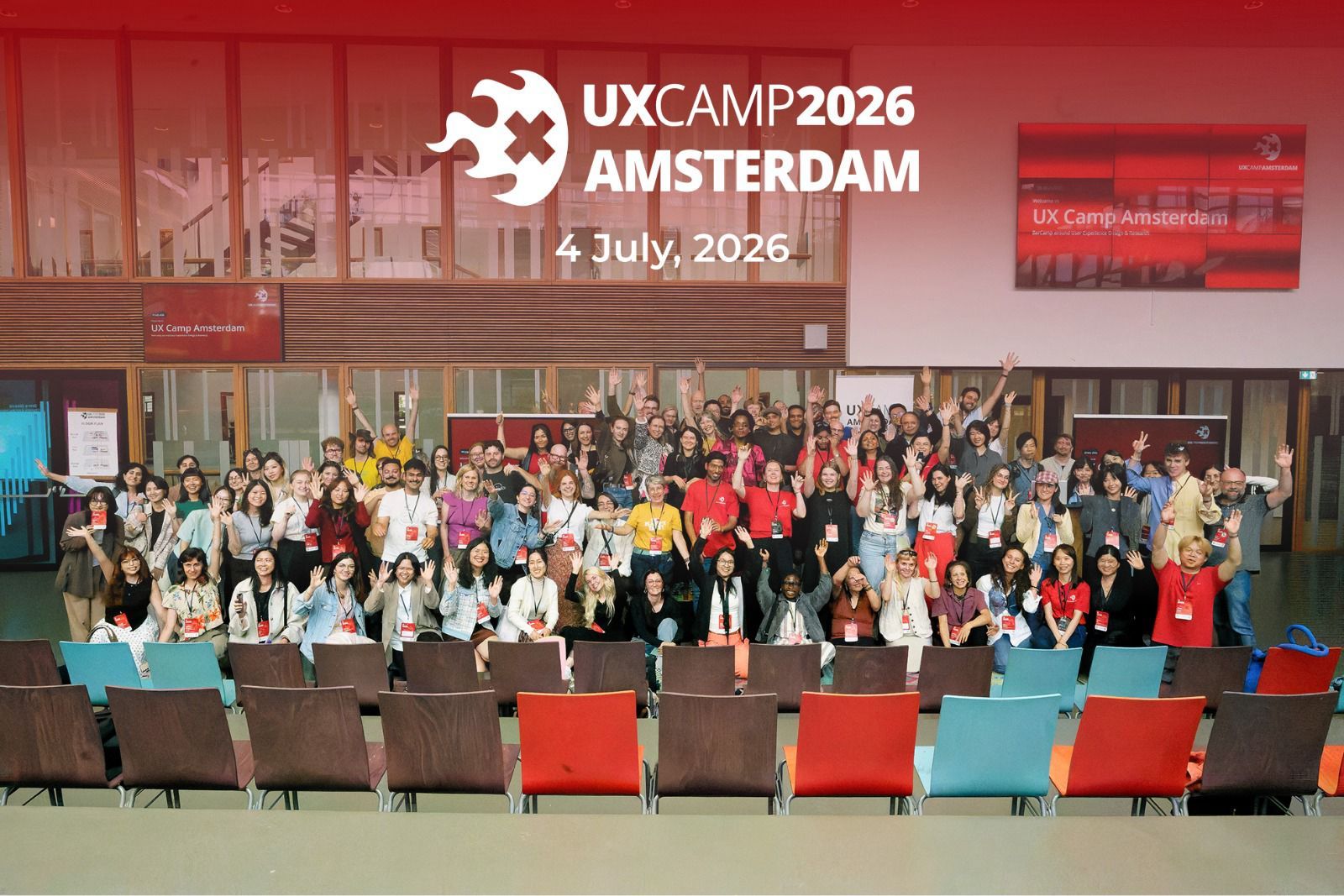
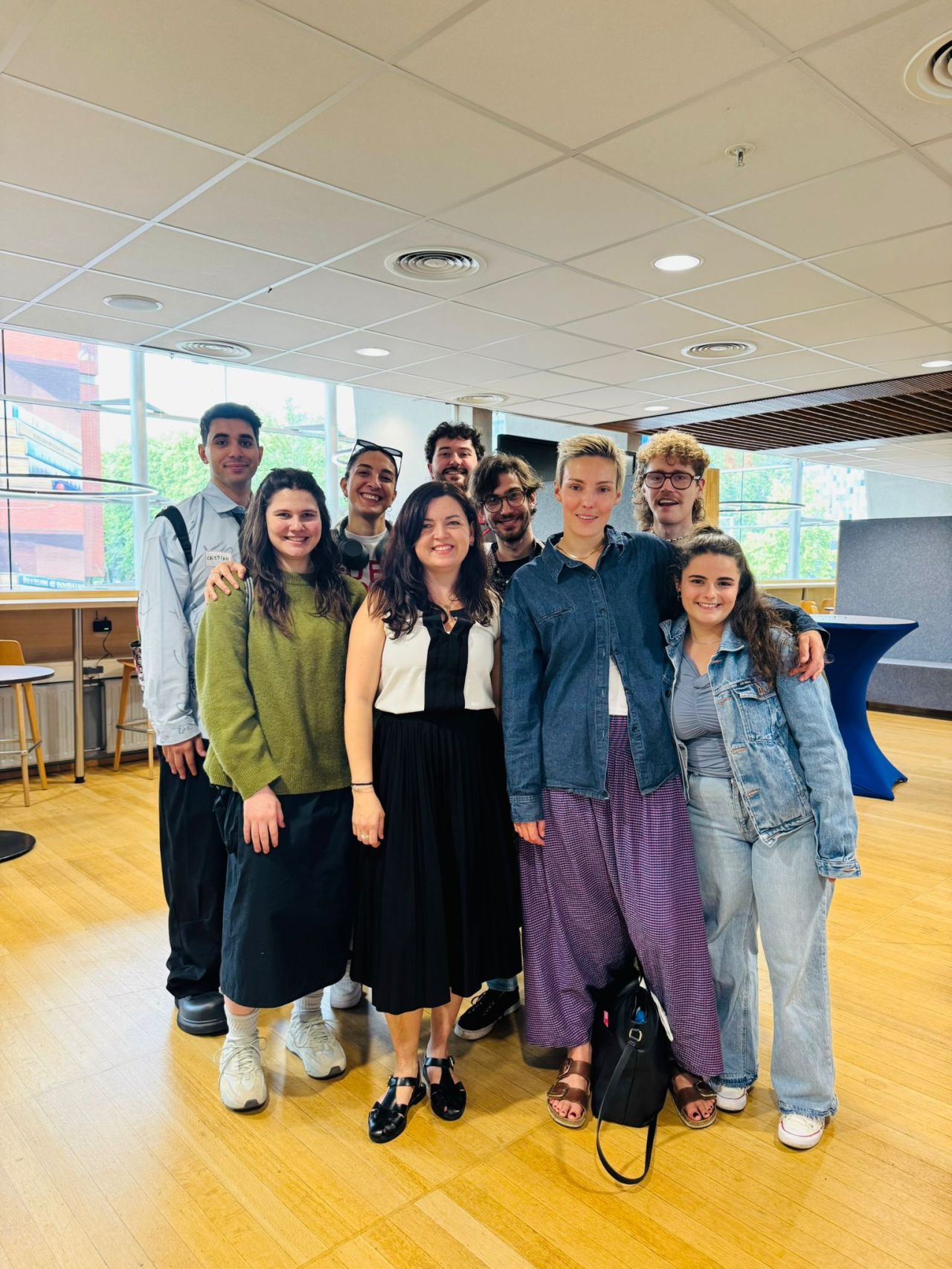
You'll find me where designers argue about the craft — most recently UX Camp Amsterdam 2026, trading portfolio feedback at the portfolio corner and picking up ideas on AI, accountability and design's next decade.